
Tooth Extractions in Birmingham, AL

Tooth extractions are sometimes necessary to protect your oral health and prevent more serious complications. At Daniel Dentistry in Birmingham, AL, extractions are performed with care and precision, with a strong focus on patient comfort and proper healing.
Whether a tooth is damaged, infected, or impacted, the goal is to safely remove the tooth while supporting long-term oral health.

What Is a Tooth Extraction?

A tooth extraction is a dental procedure in which a tooth is removed from its socket beneath the gumline. Extractions are generally classified as simple or surgical based on the tooth’s condition and position.
Simple extractions are performed on teeth that are fully visible in the mouth. These teeth are gently loosened using specialized instruments and removed with minimal disruption to surrounding tissue. Surgical extractions are required when a tooth is broken at the gumline, has not fully erupted, or is impacted beneath the gums or bone. In these cases, the dentist carefully removes a small amount of gum or bone tissue to access and extract the tooth.
Both simple and surgical extractions are routine dental procedures and should always be performed by a licensed dental professional.

Reasons for Tooth Extractions

A tooth extraction may be recommended for several reasons, including:

Severe decay or damage that cannot be repaired

Infection that could spread to surrounding teeth or other areas of the body

Advanced gum disease affecting tooth stability

A tooth extraction may be recommended for several reasons, including:

Impacted or partially erupted wisdom teeth

Impacted or partially erupted wisdom teeth

Broken teeth below the gumline
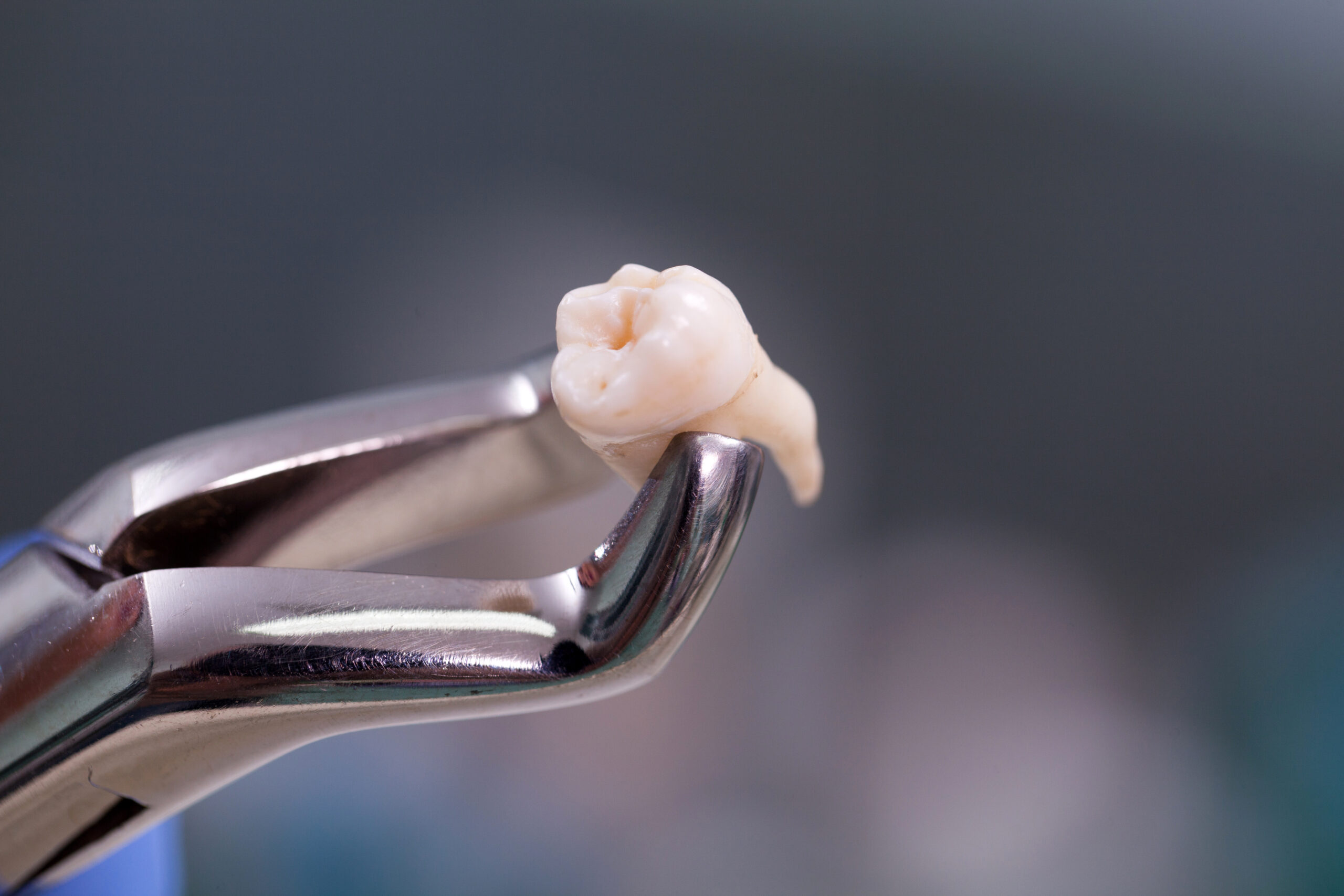
Wisdom teeth are commonly extracted because they are not essential to oral health and often lack enough space to erupt properly. Impacted wisdom teeth can cause pain, swelling, infection, and damage to nearby teeth if left untreated.
In some cases, extractions are recommended to support orthodontic treatment when overcrowding or impacted teeth would limit effective alignment.

How It Works

Before the extraction, local anesthesia is administered to numb the tooth and surrounding gums. Once numb, the dentist gently loosens the tooth and removes it from the socket. For surgical extractions, the dentist carefully accesses the tooth by adjusting the surrounding tissue as needed before removal.
After the tooth is extracted, the area is cleaned, and the gums may be sutured to promote healing. A protective dressing is placed to help control bleeding and support recovery.

Signs or Symptoms You May Need an Extraction

You may need a tooth extraction if you experience:

Persistent tooth pain or pressure

Severe tooth decay or visible damage

Swelling or infection around a tooth

Pain or pressure from wisdom teeth

Crowding that affects tooth alignment

A tooth broken below the gumline
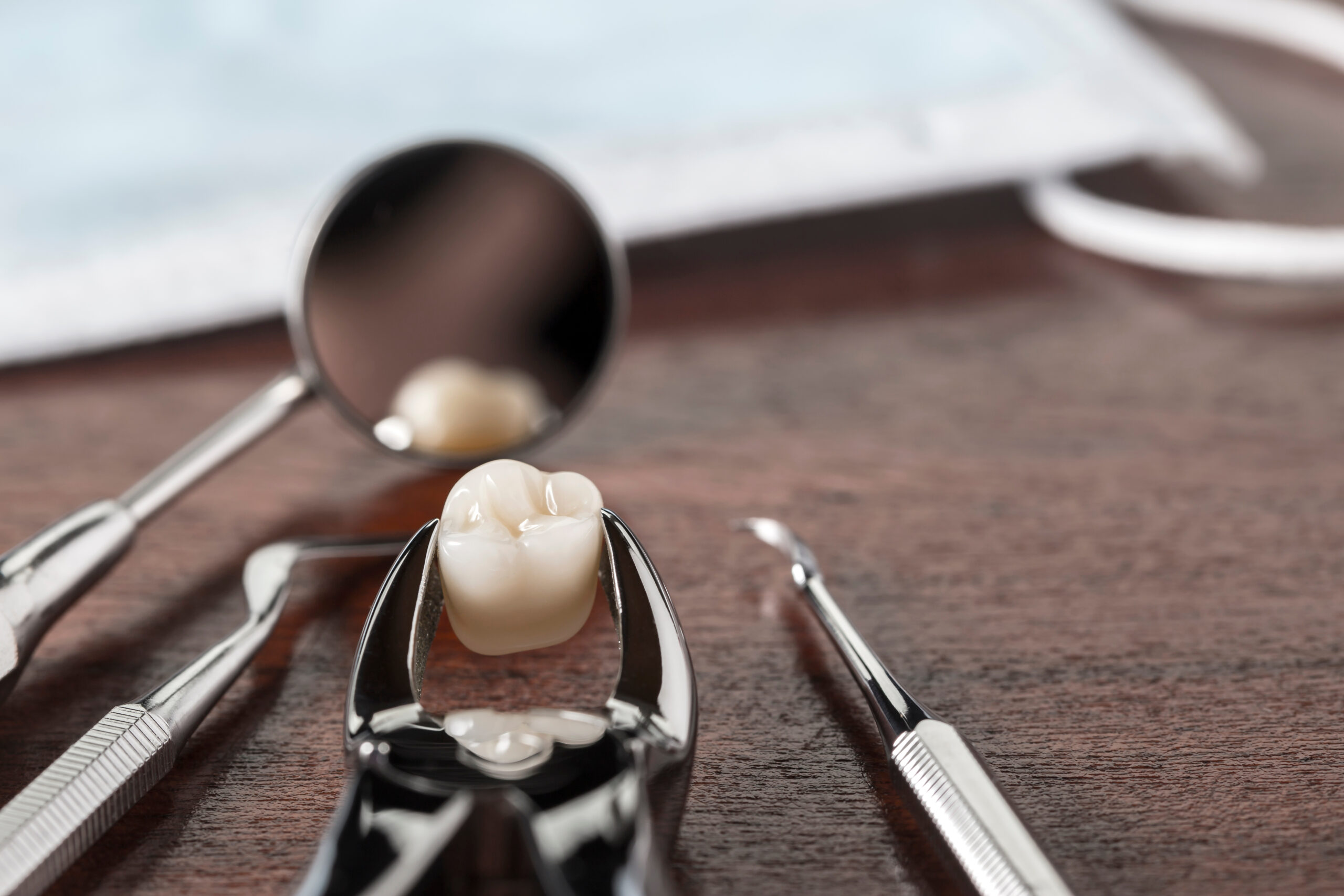
Even if symptoms are mild, untreated dental issues can worsen over time.

What to Expect After Treatment

After a tooth extraction, mild discomfort, swelling, and light bleeding are normal for several days. These symptoms are typically manageable with over-the-counter pain medication. Patients are advised to gently rinse with salt water, follow a soft-food diet, and avoid disturbing the extraction site during healing.
With proper care, most patients heal without complications, and the area gradually recovers over the following weeks.

Why Choose Our Office

At Daniel Dentistry in Birmingham, AL, tooth extractions are performed with a focus on safety, comfort, and long-term oral health. Patients benefit from:

When an extraction is necessary, the process is handled with professionalism and care.

Frequently Asked Questions

Are tooth extractions painful?

Extractions are performed under local anesthesia, and most patients experience little to no discomfort during the procedure.

How long does recovery take after a tooth extraction?

Initial healing typically occurs within a few days, with complete healing taking several weeks.

Is bleeding normal after a tooth extraction?

Light bleeding is normal for the first day or two. Following post-operative instructions helps control bleeding and promote healing.

Do all wisdom teeth need to be removed?

Not always. Some wisdom teeth erupt properly without causing issues, but impacted or problematic wisdom teeth often require extraction to prevent complications.

Scroll to Top